


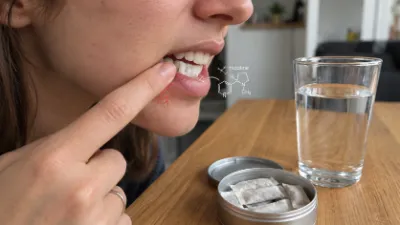
Nicotine pouch strength is not just about the milligrams on the label. It is also affected by formulation, pouch moisture, your tolerance, food and drink and storage conditions.
Nicotine pouch strength is not just about the milligrams on the label. It is about how your body absorbs nicotine, what you eat and drink, how you store your cans and even the type of pouch material. This guide explains the common strength categories, what can make a pouch feel stronger or weaker and how to choose wisely.
> For adults only: Nicotine is addictive. This article is general information, not medical advice. Keep nicotine products away from children and pets.
How nicotine pouch strength is measured
Strength is shown in milligrams of nicotine per pouch (mg/pouch). A pouch labelled 6 mg contains 6 milligrams of nicotine.
Typical commercial ranges:
- Very low / zero: 0–2 mg (including nicotine-free options)
- Low / mild: 3–6 mg
- Medium / regular: 7–12 mg
- Strong: 13–20 mg
- Extra strong / ultra: 21 mg and above
Most everyday users stay between 4 mg and 12 mg. Going higher makes sense only if you already have a high nicotine tolerance.
Strength categories explained
Low strength (3–6 mg)
See our light nicotine pouches for examples in this range.
Best for:
- First-time pouch users
- Light smokers or vapers switching to pouches
- People who want a gentle, controlled nicotine feel
What to expect:
- Mild warmth and flavour
- Subtle nicotine presence
- Comfortable for longer sessions
Medium strength (7–12 mg)
Explore our normal-strength pouches for everyday use.
Best for:
- Regular daily users
- Moderate smokers or vapers
- People who want clear nicotine satisfaction without going extreme
What to expect:
- Noticeable nicotine effect within minutes
- Good balance between strength and comfort
- The most common range for experienced pouch users
Strong (13–20 mg)
Check our strong-intensity pouches if you are experienced.
Best for:
- Experienced users with established tolerance
- People moving up from medium strength who need more intensity
What to expect:
- Pronounced, fast-acting effect
- Higher risk of hiccups, nausea, or dizziness if you are not used to it
- Shorter comfortable session time for many users
Extra strong and ultra (21 mg+)
For very high tolerance, see extra-strong pouches and extremely strong pouches.
Best for:
- Very experienced users only
- People with very high nicotine tolerance
What to expect:
- Intense and immediate effect
- Not suitable as a starting point
- Higher chance of side effects if your body is not adapted
What can make a pouch feel stronger
The same mg number can feel very different depending on several factors.
1. pH and formulation
Some brands adjust the pH of the pouch filling to make nicotine absorb faster through the oral mucosa. A more alkaline environment increases the fraction of "free-base" nicotine, which crosses membranes more easily. This can make a 9 mg pouch from one brand feel closer to a 12 mg pouch from another.
2. Pouch material and texture
Pouches are made from different fibres and textures. Some are very soft and thin, others are slightly rougher.
There is a common belief that certain pouches "scratch" the gums to speed up absorption. In reality, most reputable brands do not design pouches to cut or abrade tissue on purpose. However, a rougher or drier pouch can cause micro-irritation in sensitive mouths, especially if you press it hard or move it around a lot. This irritation may make the nicotine hit feel faster, but it also increases the risk of sore gums, inflammation, or recession over time.
If your gums often feel sore or look irritated where you place pouches, try:
- Softer, thinner pouch formats
- Lower strength
- Shorter session time
- Rotating placement sites in your mouth
3. Moisture level and "drip"
Wetter pouches tend to release nicotine and flavour faster. This can make the effect feel stronger in the first 5–10 minutes. Very dry pouches release more slowly and can feel weaker even if the mg number is the same.
4. Food, drink and mouth condition
What is in your mouth before and during use matters:
- Acidic drinks (coffee, soda, fruit juice, energy drinks) lower oral pH and can reduce nicotine absorption. Using a pouch right after coffee may make it feel weaker.
- Alkaline conditions (some toothpastes, mouthwashes, or simply not eating for a while) can increase absorption and make the same pouch feel stronger.
- Full stomach vs empty stomach: Using pouches on an empty stomach often makes the effect feel more intense and can increase the risk of nausea or hiccups.
- Hydration: A dry mouth can make pouches feel harsher. Drinking water before or during use can smooth the experience.
5. Your own tolerance and biology
Tolerance builds over time. A strength that felt strong at the beginning may later feel mild. Body weight, metabolism and genetic differences in nicotine processing also play a role.
What can make a pouch feel weaker
- Old or badly stored pouches: Heat, light and air exposure dry pouches out and degrade flavour compounds. Nicotine itself is relatively stable, but oxidation over long periods and high temperatures can slowly reduce potency.
- Very dry pouches: Moisture evaporation makes the pouch release nicotine more slowly and less evenly.
- Acidic environment in the mouth: As mentioned, coffee, citrus and fizzy drinks right before or during use can blunt the effect.
- Short session time: If you remove the pouch very early, you simply do not absorb as much nicotine.
Storage: how to keep strength and flavour stable
Proper storage is key to keeping pouches consistent from the first to the last pouch in the can.
Ideal conditions
- Temperature: 15–21°C (60–70°F) is ideal for long-term storage.
- Humidity: Around 40–60% relative humidity.
- Light: Dark place, away from direct sunlight.
- Container: Keep the can tightly closed when not in use.
What damages pouches
- Heat above 25°C (77°F): Accelerates moisture loss and flavour breakdown. Pouches dry out and can feel harsher yet weaker.
- Sustained heat above 32–35°C (90–95°F): Noticeable moisture redistribution within 24–48 hours. Flavour weakens, texture changes.
- Temperatures above 50°C (122°F): Rapid degradation. Flavour and nicotine potency drop noticeably within hours to days. This is typical inside a parked car in summer sun.
- Direct sunlight: UV and heat together degrade flavour compounds quickly.
- High humidity and water exposure: Can make pouches sticky, clumpy and inconsistent.
- Frequent temperature swings: For example, moving a can between a cold bag and a warm room repeatedly.
Practical storage tips
- Store cans in a cool, dark drawer or cupboard, not on a windowsill or next to radiators.
- Do not leave cans in a hot car, even for a day.
- For travel in hot weather, keep cans in a bag or small cooler, not in direct sun.
- Once opened, use the can within a few weeks for best flavour and consistency.
- If you buy in bulk, keep unopened cans in a cool place; refrigeration can extend shelf life, but let the can reach room temperature before opening to avoid condensation inside.
How to choose the right strength
Use this simple approach:
- If you are new to nicotine: Start with 3–6 mg. See how you feel over several sessions before considering anything stronger.
- If you are a light smoker or vaper: 4–8 mg is often enough.
- If you are a regular daily user: 7–12 mg usually gives satisfying results.
- If you are experienced and feel underwhelmed by medium strengths: Try 13–16 mg, but increase gradually.
- Avoid jumping straight to extra strong (21 mg+) unless you already use high-strength products regularly and understand your tolerance.
Signs you have chosen a strength that is too high:
- Nausea or stomach discomfort
- Hiccups
- Dizziness or headache
- Rapid heartbeat or sweating
- Strong gum irritation where you place the pouch
If you notice these, move down one strength level and shorten your sessions.
Common mistakes when choosing strength
- Choosing by brand "dots" or names alone: One brand's "Strong" can be another brand's "Medium". Always check the mg per pouch.
- Assuming more mg is always better: Higher strength does not mean better satisfaction if it makes you feel sick or forces you to remove the pouch early.
- Ignoring storage conditions: A perfectly chosen strength can feel wrong if the can has been cooked in a hot car or left open for weeks.
- Using strong pouches on an empty stomach: This often amplifies side effects without adding real benefit.
FAQ
Is mg per pouch the only thing that matters for strength?
No. pH, pouch material, moisture level, your own tolerance and what you eat or drink all influence how strong a pouch feels.
Do some pouches cut the gums to release nicotine faster?
Reputable brands do not design pouches to cut or abrade gums on purpose. However, rougher or drier pouches can cause micro-irritation in sensitive mouths, which may make the effect feel faster but increases the risk of gum problems over time.
Can storage really change how strong a pouch feels?
Yes. Heat, light and air dry pouches out and degrade flavour. Over time and at high temperatures, nicotine potency can also drop. A badly stored can will feel weaker and harsher than a fresh, properly stored one.
Why does coffee make my pouch feel weaker?
Coffee is acidic and lowers oral pH, which reduces the absorption of nicotine through the oral mucosa. Using a pouch right after coffee can make it feel less effective.
What should I do if a pouch feels too strong?
Remove it, drink water and wait until you feel normal again. Next time, choose a lower strength, use it after a light meal, or shorten the session.
How long should I keep a pouch in for optimal effect?
Follow the manufacturer's instructions and your own comfort. Most users keep pouches in for 15–45 minutes. If you feel discomfort, remove it sooner.


